The Invisible Guardian: Balancing AI Power with Enterprise Privacy
In the race to integrate Artificial Intelligence into the core of business operations, a silent but critical tension has emerged: the conflict between safety monitoring anddata privacy.
For a long time, the industry operated on a simple, albeit flawed, binary. Either you trusted the AI provider with your data so they could monitor for misuse (safety), or you demanded "Zero Data Retention" to protect your secrets, effectively blinding the provider to how their tool was being used (privacy).
But as AI evolves from simple chatbots into autonomous agents that handle orders, manage appointments, and access sensitive CRM data, this binary is no longer sustainable. Enterprises cannot afford to be "blind," nor can they afford to have their proprietary data stored in a third-party cloud for "review."
The Paradox of Safety vs. Privacy
Why is this such a complex problem? Because malicious use of AI rarely happens in a single, obvious prompt. A bad actor doesn't usually ask an AI to "build a cyberattack" in one go. Instead, they employ "salami slicing"—breaking a harmful request into ten different conversations over three days.
If an AI provider employs strict Zero Data Retention (ZDR), each of those ten sessions is treated as an isolated event. The system sees nothing wrong with any individual piece of the puzzle, while the attacker successfully completes the larger picture.
To stop this, providers traditionally needed to retain logs—to look back at history and connect the dots. However, for a law firm, a healthcare provider, or a fintech company, the idea of their client interactions being "stored for 30 days" for potential human review is a non-starter. It’s not just about policy; it’s about compliance (GDPR, KVKK) and trust.
Moving Toward "Private Safety Processing"
The next frontier of AI isn't just about smarter models; it's about intelligent oversight that doesn't require storage.
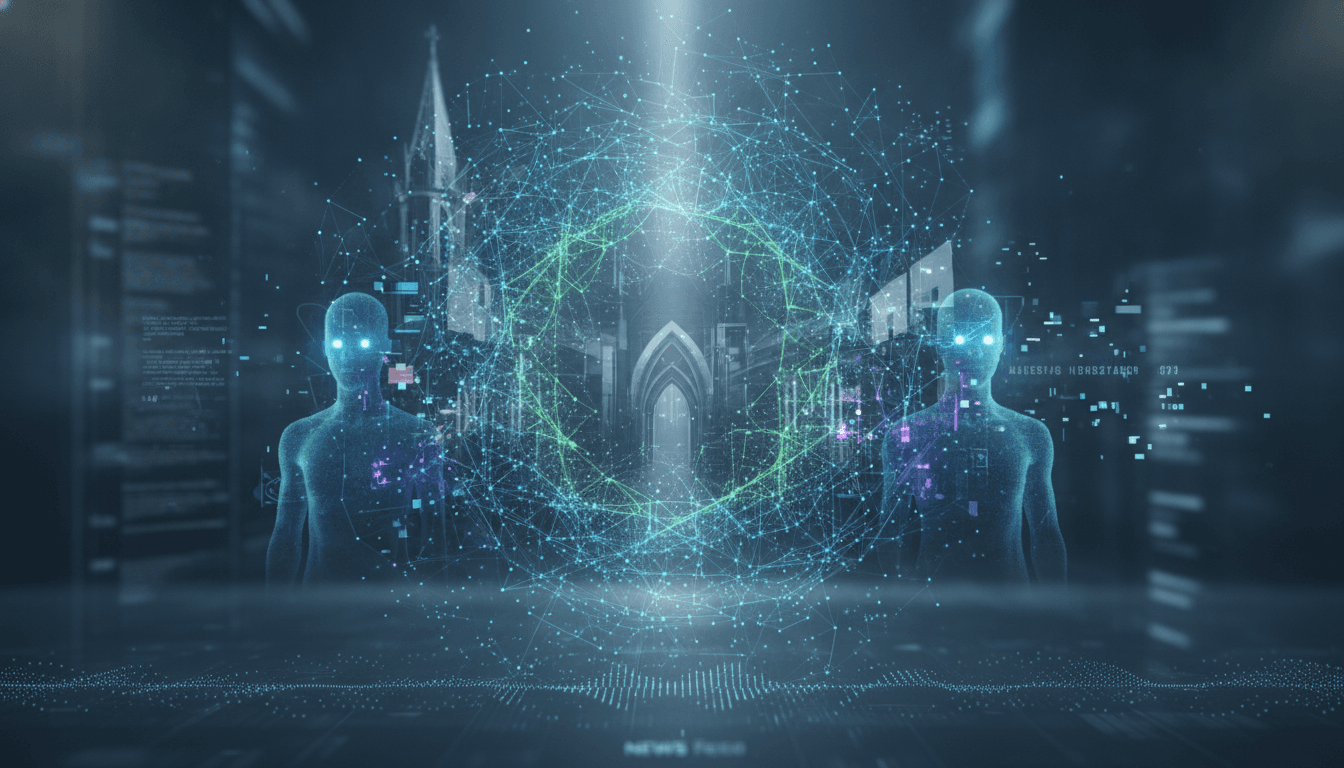
The goal is to move toward systems where safety monitoring is handled by specialized agents rather than human auditors. Imagine an automated layer—a digital sentry—that analyzes patterns across multiple sessions in real-time but forgets the actual content of those sessions immediately after processing.
In this model:
- Pattern Recognition replaces Data Storage: The system doesn't save what you said; it savesthat a certain pattern of behavior was detected.
- Signal over Substance: Instead of flagging a transcript for a human to read, the system sends a "narrow signal" (e.g., "User X is exhibiting patterns consistent with malware engineering").
- Privacy by Design: The enterprise retains full ownership of its data, while the AI provider maintains its safety guardrails without ever needing to "harbor" sensitive information.
How This Transforms Digital Agency
This shift is particularly vital for platforms like Giizo AI, where we don't just provide bots—we deploy Digital Employees. When an agent has access to your product catalog via RAG (Retrieval-Augmented Generation) or can execute tasks through MCP (Model Context Protocol) tools like checking order statuses or booking calendars, the stakes are higher than ever.
A digital employee handles real business logic. If that agent is integrated into WhatsApp or Instagram and interacts with thousands of customers daily:
- Contextual Memory must be used to provide great service (remembering what the customer said two minutes ago).
- Long-term Knowledge must be secure and private (the company's internal PDFs and URLs).
- Safety Monitoring must be invisible and non-intrusive (ensuring no one is abusing the tool without compromising user PII).
The future belongs to systems that can distinguish between operational memory (needed for business) andsurveillance storage (which enterprises reject).
The New Standard for Enterprise Trust
As we move forward, businesses should stop asking "Do you store my data?" and start asking*"How do you ensure safety without storing my data?"*
True enterprise-grade AI must offer:
- Zero Data Retention as Default: Ensuring that session data isn't kept longer than necessary for immediate response generation.
- Automated Oversight: Using AI agents to police other AI agents, removing the need for human reviewers to peek into private corporate conversations.
- Transparent Signaling: A clear protocol on how misuse is flagged and how companies are notified without violating privacy boundaries.
The era of choosing between security and privacy is ending. The new era is about invisible guardianship—where your digital workforce is safe precisely because it respects your boundaries perfectly.