Beyond the Chatbot: The Era of the Autonomous Digital Teammate
For years, the business world has been seduced by the promise of "automation." But for most entrepreneurs and managers, that promise manifested as a rigid chatbot—a digital gatekeeper that followed a strict decision tree, frustrated customers with "I didn't understand that," and ultimately added more work to the human team's plate through messy handovers.
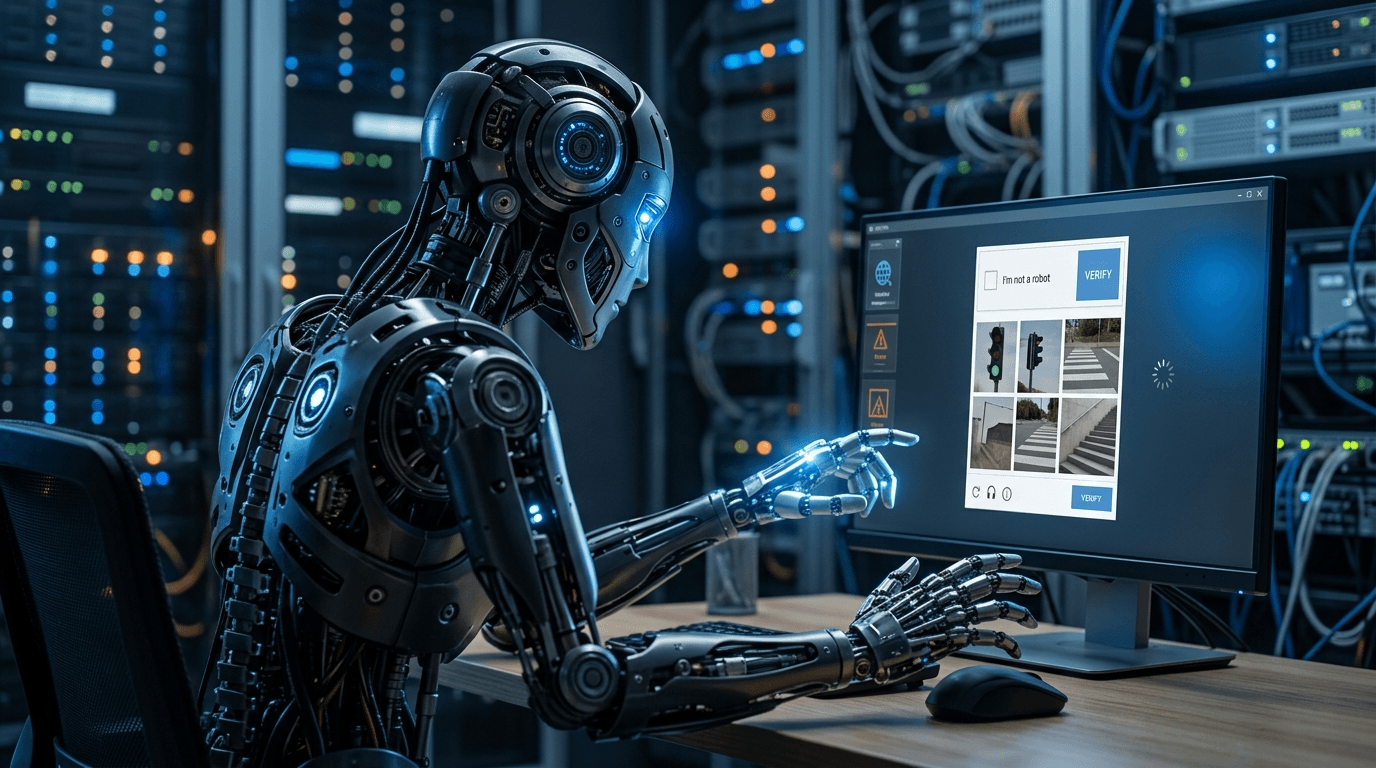
We are now witnessing a fundamental shift. We are moving away from conversational interfaces and entering the era ofautonomous agents. The distinction is subtle but revolutionary: a chatbot talks; an agent acts.
The Death of the "Question-Answer" Loop
The traditional AI interaction is reactive. You ask a question; it provides an answer. While helpful, this creates a bottleneck. The human still has to take the AI's answer and manually execute the task in another tab—copying a tracking number into a shipping portal or moving a lead from a chat window into a CRM.
The new frontier is Task Orchestration. Imagine an AI that doesn't just tell you your order status but actively navigates your backend systems to resolve a shipping delay, updates the customer via WhatsApp, and logs the incident in your internal database—all without you lifting a finger.
This isn't just "faster chatting"; it is the delegation of cognitive labor. When AI evolves from an assistant into a teammate, it stops being a tool you use and starts being a resource youmanage.
From Reactive Support to Proactive Operations
The true power of an autonomous digital worker lies in its ability to be proactive. Most businesses operate on a "pull" model: they wait for the customer to reach out with a problem. An agent-based approach enables a "push" model.
Consider these shifts in operational logic:
- The Old Way: A customer forgets their appointment; they call your office; your receptionist spends ten minutes rescheduling them.
- The Agent Way: The AI detects an upcoming appointment with no confirmation, sends a personalized reminder via Instagram DM, handles the rescheduling request autonomously by accessing the live calendar, and notifies the staff only once the new slot is confirmed.
- The Old Way: You spend Monday mornings pulling sales reports from three different platforms to see how your weekend performed.
- The Agent Way: An autonomous agent monitors your marketplace data (like Trendyol or Amazon) over the weekend and delivers a synthesized executive summary to your inbox at 8:00 AM Monday, highlighting anomalies and suggesting stock adjustments based on velocity.
Building Your Digital Workforce: Integration over Isolation
To transform an AI from a novelty into a teammate, it needs two things: Context andTools.
Context comes from RAG (Retrieval-Augmented Generation), allowing the agent to know your specific product catalog, brand voice, and company policies better than any new hire would on their first day. Tools come through protocols like MCP (Model Context Protocol), which act as the "hands" of the AI, allowing it to interact with APIs, databases, and third-party software.
When these two elements merge, you no longer have a bot; you have a specialized digital employee. You can deploy one agent as your "Sales Specialist" on WhatsApp and another as your "Operations Coordinator" internally. These agents don't just work in silos; they can orchestrate complex workflows across multiple channels—Web Widgets, Messenger, or even physical robot interfaces—ensuring that whether the interaction happens in person or online, the intelligence remains consistent.
The Management Shift: Leading Humans and Agents Alike
As we integrate these autonomous teammates into our organizations, our role as leaders changes. We stop being "doers" of repetitive tasks and become "architects" of workflows.
The challenge shifts from how do I do this task? tohow should this process be handled? By defining personas—the tone of voice for an aesthetic clinic versus the energy of a burger chain—and setting triggers for automation, business owners can scale their operations without linearly increasing their headcount or stress levels.
We are stepping into a world where "working" doesn't necessarily mean "typing." It means designing systems where digital teammates handle the friction of execution while humans focus on strategy, creativity, and genuine relationship building. The question is no longer whether AI can talk to your customers—it's whether you've given it the tools to actually do their work for them.