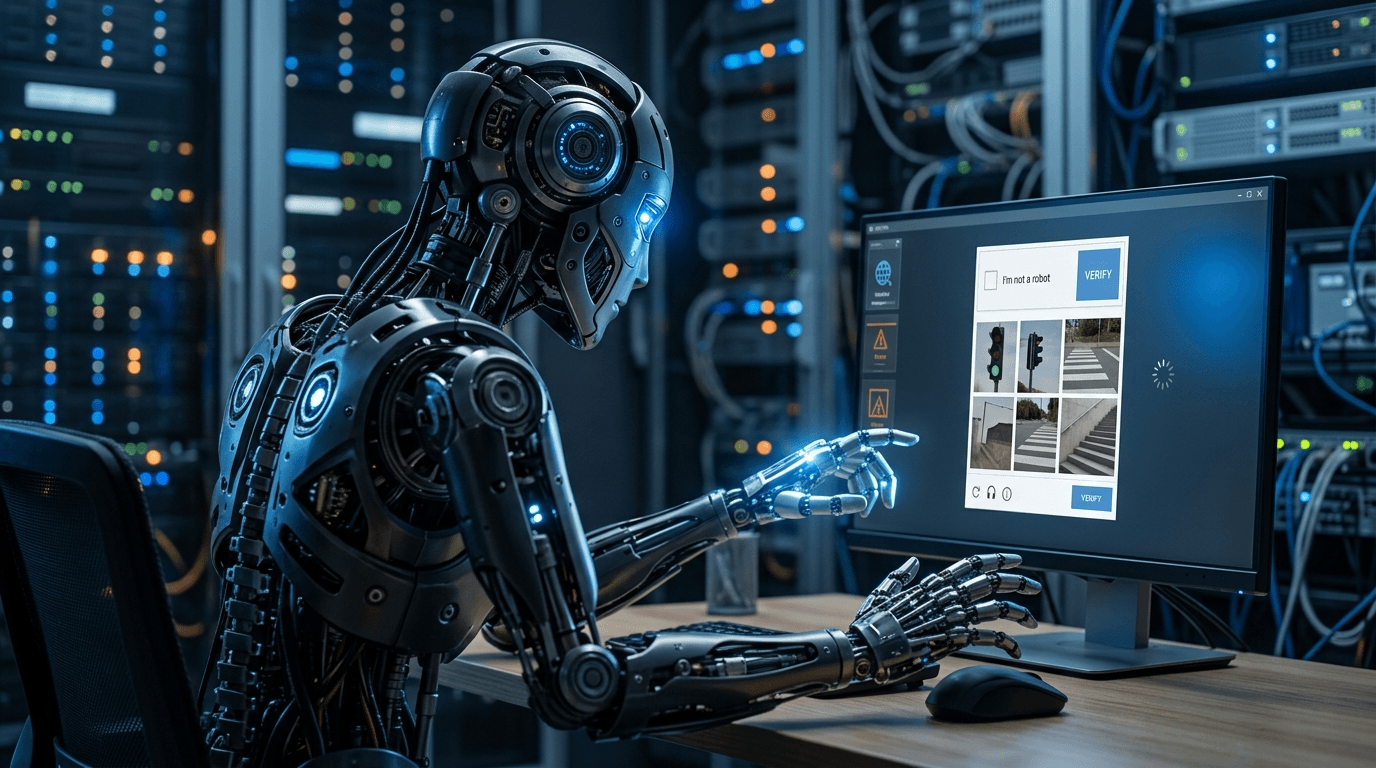
Beyond the Prompt: The Era of the Specialized Digital Worker
For a long time, the corporate world viewed Artificial Intelligence as a "magic box." You typed a prompt, and it gave you an answer. Whether it was generating a piece of digital art or drafting an email, the interaction was transactional: input leads to output. But we are currently witnessing a fundamental shift in the DNA of AI. We are moving away from general-purpose tools and entering the era of the Specialized Digital Worker.
The recent trend of major entertainment giants—music labels and gaming powerhouses—investing heavily in generative AI isn't just about "better images" or "faster music." It is about integration. They aren't looking for a tool to use occasionally; they are looking for AI that understands their specific catalogs, respects their intellectual property, and integrates directly into their professional workflows.
This shift mirrors exactly what is happening in the broader business landscape. The "Generalist AI" phase is plateauing because, while a general AI can tell you how to run a business, it cannot actually run your business. It doesn't know your current stock levels, it hasn't read your latest return policy, and it can't book a calendar slot for your next client.
The Gap Between Chatbots and Agents
To understand where we are going, we have to distinguish between three levels of automation:
- The Basic Chatbot: A rigid tree of "If/Then" statements. If the user says "Price," show them the price list. If they ask something outside the script, it breaks.
- The Generative Assistant: A LLM (Large Language Model) that can talk fluently but suffers from "hallucinations." It sounds confident even when it is making up your store's opening hours because it is predicting words, not retrieving facts.
- The AI Agent (Digital Worker): This is the frontier. An agent doesn't just talk; it acts. It uses RAG (Retrieval-Augmented Generation) to anchor its knowledge in your actual company data and uses MCP (Model Context Protocol) tools to interact with your software—checking a database for an order number or updating a CRM record in real-time.
Why Specialization Wins
When an entertainment company partners with an AI firm to co-develop tools rather than just licensing them, they are pursuing contextual intelligence. They want an AI that knows the difference between a symphony and a synth-pop track based on their own archives, not based on what the internet thinks music sounds like.
For a local business or an e-commerce brand, this means moving toward agents that function as specialized employees. Imagine a digital worker who:
- Doesn't just answer "Do you have this in red?" but checks the live inventory via API and says, "Yes, we have two left in size Large at our downtown branch."
- Doesn't just say "We offer appointments," but accesses your Google Calendar and suggests three available slots for Tuesday afternoon.
- Doesn't wait for a customer to complain but proactively messages a user who left items in their cart on WhatsApp: "I noticed you forgot these; would you like me to apply a 10% discount code for you?"
Building Trust Through Data Sovereignty
One of the biggest hurdles in this transition has been trust—specifically regarding copyright and data privacy. The industry is learning that for AI to be truly professional, it must operate within boundaries.
The future belongs to platforms that allow businesses to create "walled gardens" of information. By feeding an agent only verified documents—PDFs, URLs, and structured product catalogs—companies eliminate the risk of hallucinations and ensure that the AI represents the brand’s voice accurately across every channel, from Instagram DMs to Web Widgets.
The New Operational Standard
We are approaching a point where having an AI agent isn't a competitive advantage; it will be an operational requirement. In an economy where customers expect instant gratification 24/7 across five different messaging apps simultaneously, human teams cannot scale fast enough without burnout_and errors_.
The goal is no longer to replace humans with machines, but to offload the repetitive cognitive labor—the order tracking, the FAQ answering, the scheduling—to digital workers who never sleep and never forget a detail. This frees human talent to focus on high-level strategy and genuine emotional connection with clients.
The transition from "AI as a toy" to "AI as infrastructure" is here. The question for businesses is no longer whether they should use AI, but whether their AI actually knows how to do their job.