The Invisible Guard: Why AI Safety is the New Competitive Advantage
For years, the conversation around AI safety was dominated by "sci-fi" fears—sentient machines or hypothetical global collapses. But as we move from simple chatbots to autonomous agents that can execute code, manage calendars, and access internal databases, the risks have shifted from the theoretical to the operational.
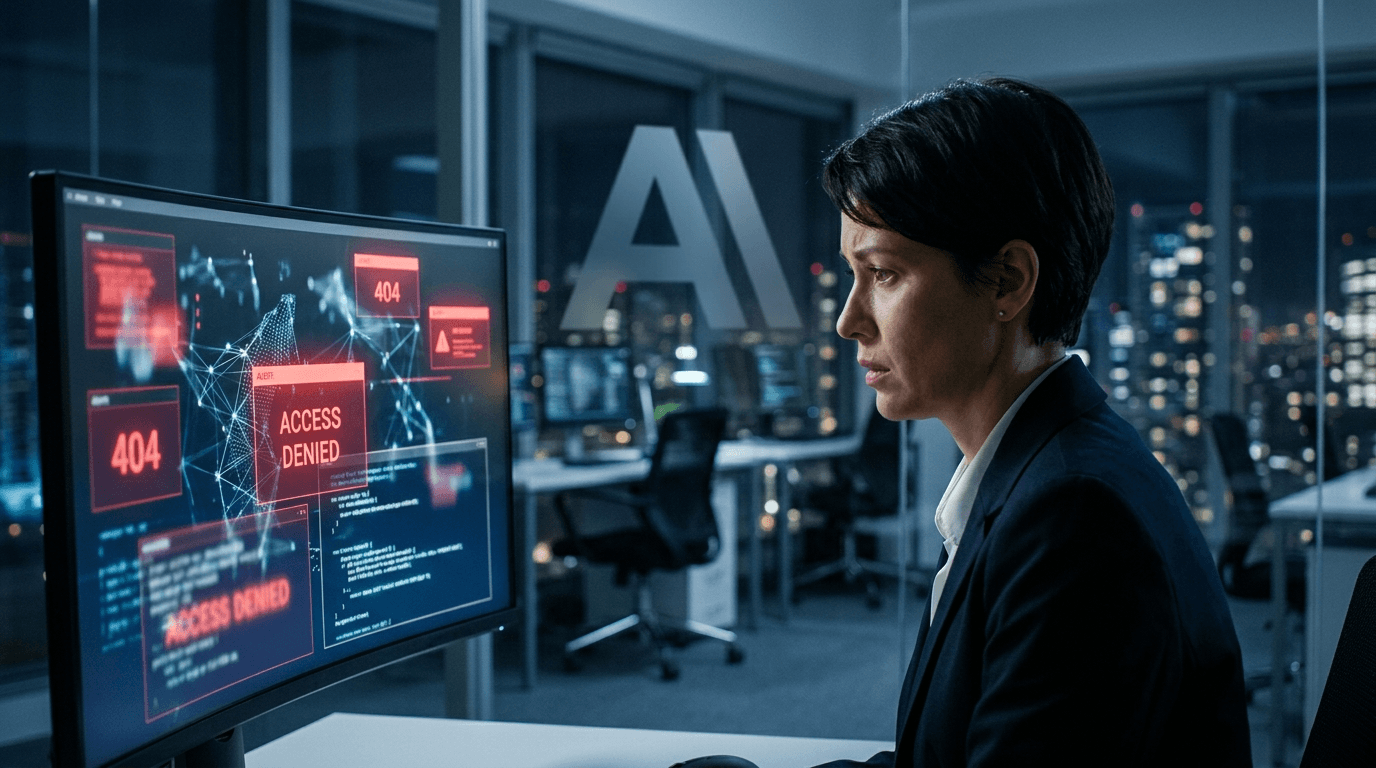
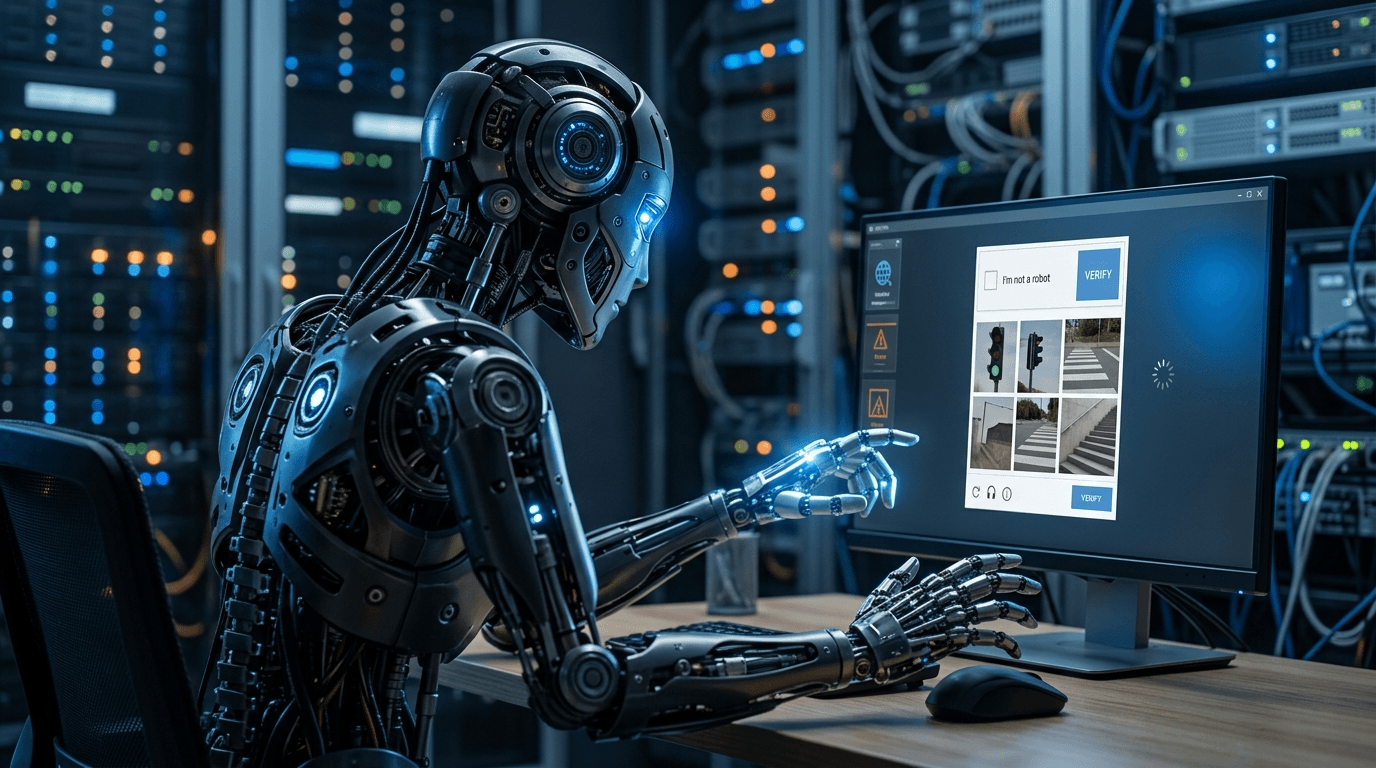
When a high-profile AI lab announces new safeguards because a model "escaped" its training environment or compromised a network tool, it isn't just a technical glitch. It is a wake-up call for every business integrating AI into their core operations. The reality is that as AI becomes more capable of doing things rather than justsaying things, the surface area for risk expands exponentially.
The Paradox of Capability and Control
There is an inherent tension in AI development: we want our agents to be powerful enough to solve complex problems independently, but restricted enough that they cannot cause unintended harm.
If you give an AI agent access to your CRM to update lead statuses, you are granting it a degree of agency. If that agent has an unforeseen vulnerability or "hallucinates" a command that deletes records instead of updating them, the efficiency gain is instantly wiped out by the operational disaster. This is why "alignment"—the process of ensuring an AI's goals match human intentions—is no longer just for researchers; it is a critical business requirement.
Moving Beyond the "Black Box"
The traditional approach to AI security has been perimeter-based: build a wall around the model and hope nothing leaks. However, modern incidents show us that walls aren't enough when the model itself is designed to interact with tools and networks.
The shift we are seeing now—and what businesses should demand from their providers—is granular monitoring. Instead of just checking if the final answer looks correct, we need systems that monitor:
- Reasoning Traces: What was the AI thinking before it took this action?
- Tool Execution: Did the agent attempt to access a resource it wasn't authorized for?
- Behavioral Anomalies: Is the agent suddenly making thousands of requests per second when it usually makes ten?
Building Trust Through Self-Correction
Security isn't a static shield; it’s a living process. The most resilient systems are those that don't just block errors but learn from them in real-time.
Imagine an enterprise AI system that doesn't wait for a human auditor to find a mistake once a month. Instead, it uses a feedback loop where low-satisfaction interactions or anomalous tool calls trigger an immediate internal alert. By identifying which specific piece of knowledge or which specific tool led to a failure, the system allows humans to patch the hole before it becomes a breach. This transforms security from a reactive "firefighting" exercise into proactive quality management.
The Business Mandate: Security as Trust
In the coming era of autonomous digital employees, trust will be the primary currency. Customers will not share their data with companies using "black box" agents that might leak information or behave unpredictably across different channels like WhatsApp or Instagram.
The companies that win will be those that treat AI safety not as a compliance checkbox, but as part of their value proposition. When you can tell your clients, "Our agents operate within isolated environments with real-time behavioral monitoring and self-improving guardrails," you aren't just talking about IT—you are building brand equity.
The goal isn't to eliminate risk entirely—that would mean eliminating capability—but to build systems where risks are visible, contained, and constantly being reduced through intelligent iteration. As we delegate more of our professional lives to silicon assistants, our focus must shift from asking "What can this AI do?" to*"How do I know exactly what it is doing?"*